
0
BONUS: Audio Scripts — Quick Tracks
Full deck listen + play any scenario individually.
Browse the library and translate the scripts in ANY language with a single click.
Full deck listen + play any scenario individually.
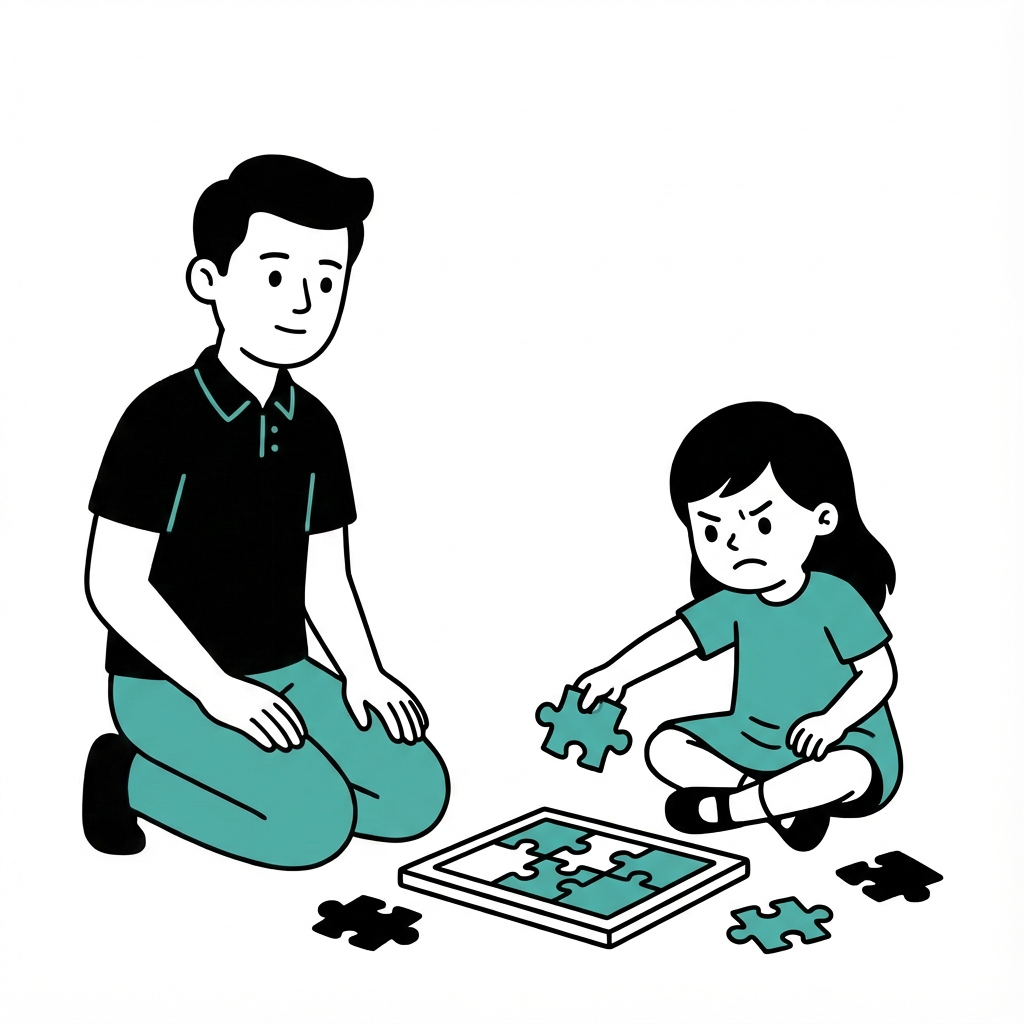
Children often feel frustrated when things don't work because they're still learning to manage their emotions and solve problems. If these feelings aren't gently acknowledged, kids may think their emotions should be hidden, which can lead to difficulties in coping with challenges and a reluctance to persevere in the future.
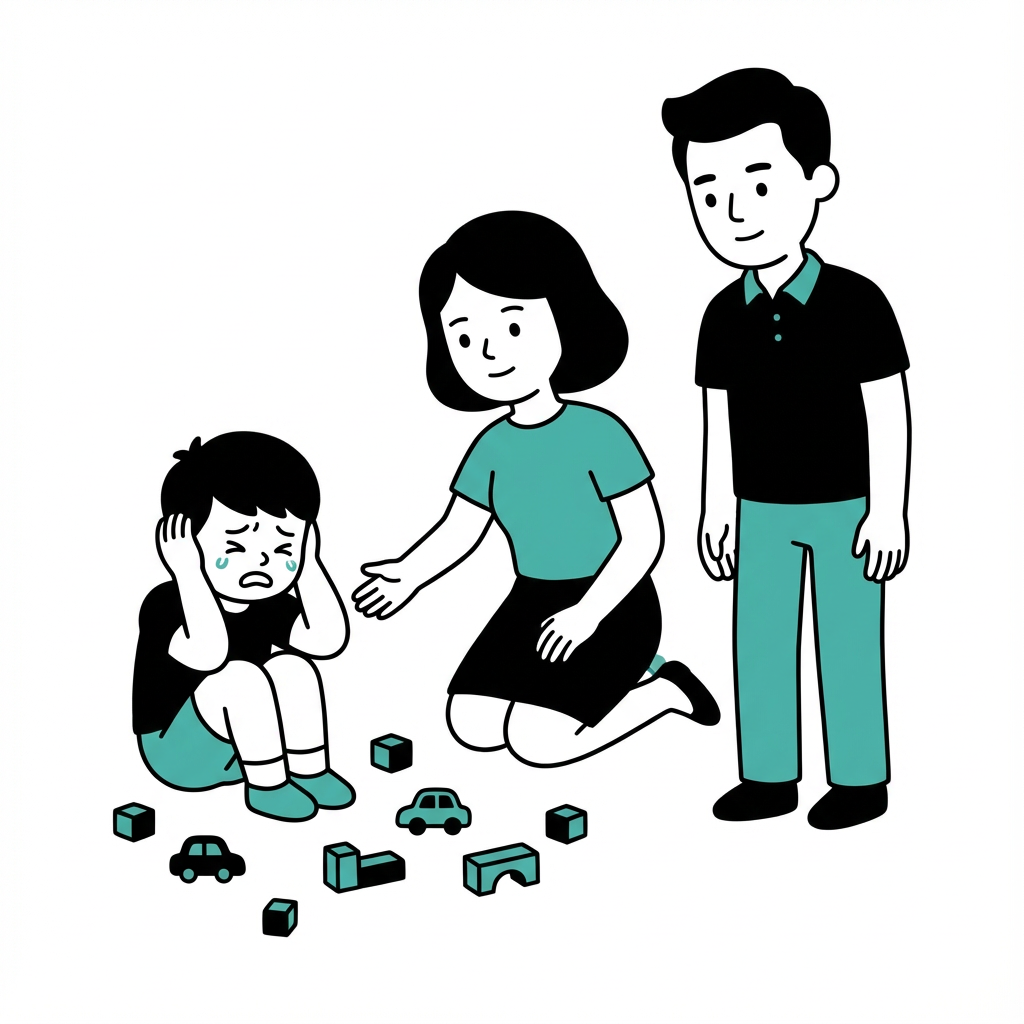
Children often cry when overwhelmed because they are still learning to process big feelings. If these moments are dismissed, it can lead to them hiding emotions and developing unhealthy coping mechanisms, ultimately affecting their emotional intelligence and ability to manage stress as they grow.
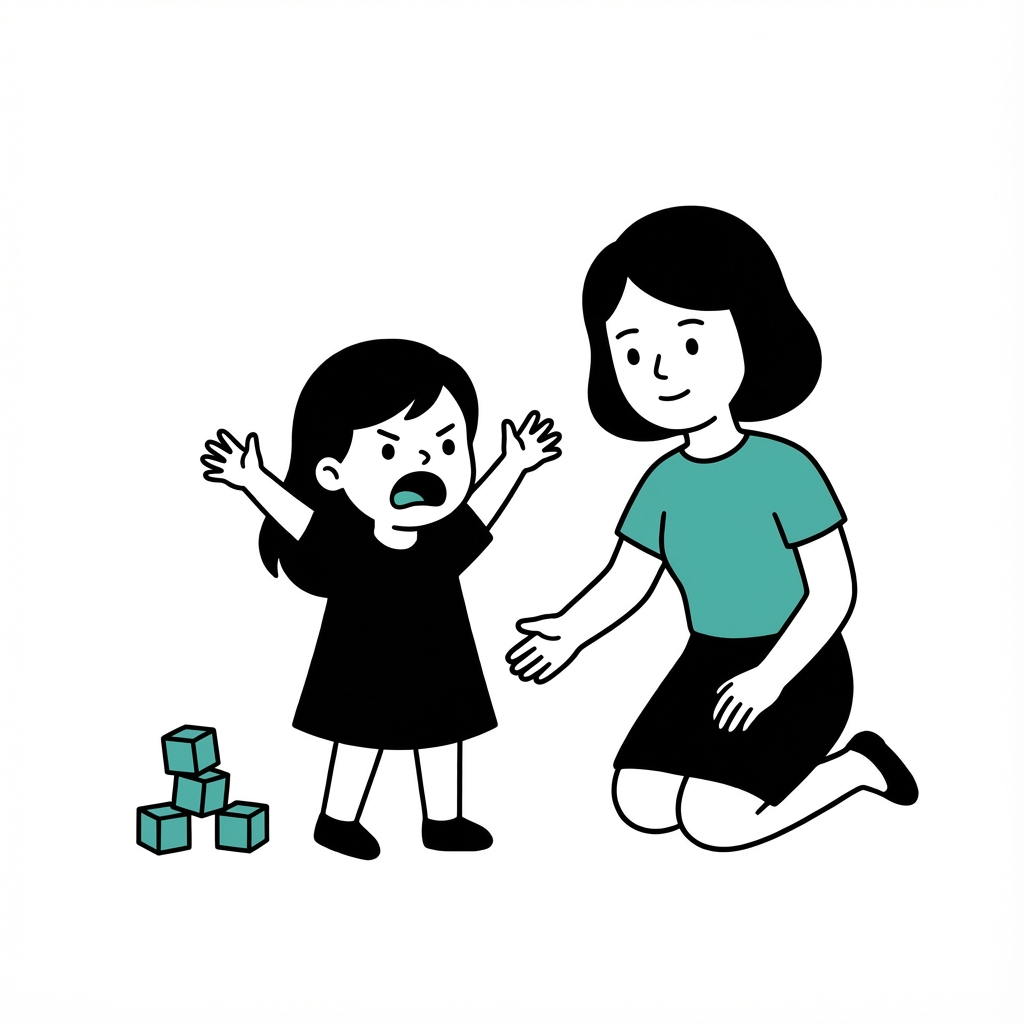
Children often struggle with emotional regulation due to their developing brains, making small problems feel overwhelming. If these feelings are dismissed, they may learn to suppress emotions, which can hinder their ability to express themselves and build healthy emotional skills as they grow.
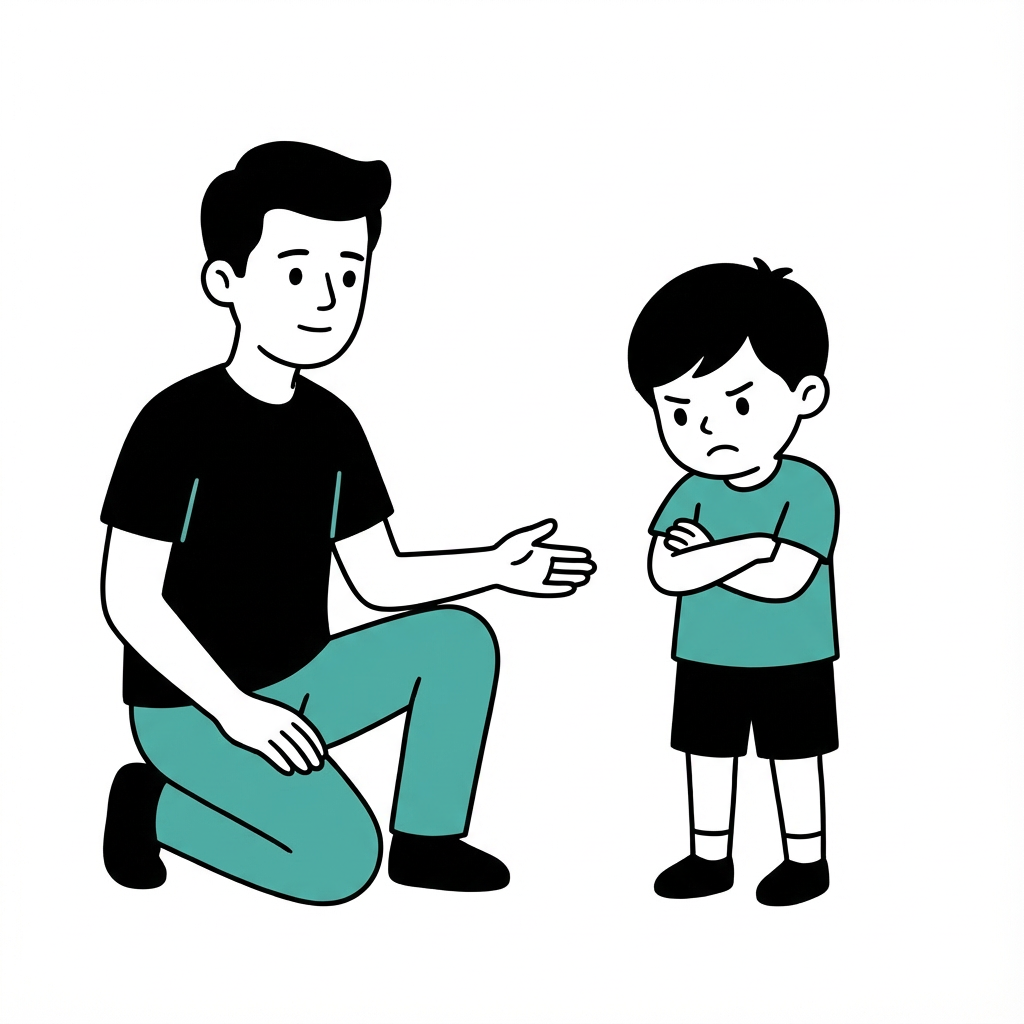
Children often struggle to express their feelings when overwhelmed, retreating inward due to a lack of vocabulary or fear of judgment. If their emotions are dismissed or shamed, they may learn to suppress feelings, which can hinder their emotional growth and ability to communicate effectively in the future.
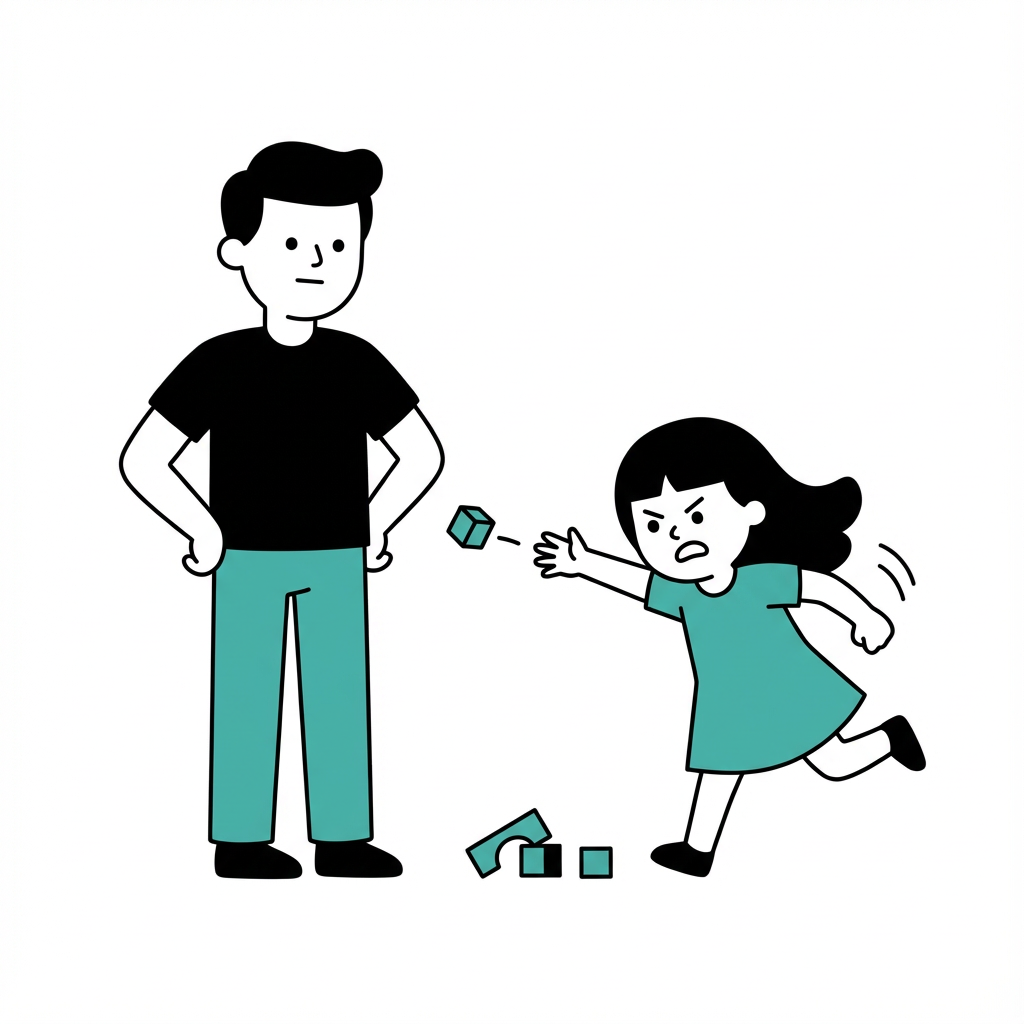
Children often throw objects when angry because they lack the skills to express their intense feelings appropriately. If this behavior isn’t addressed, they may feel their emotions are unimportant, leading to poor emotional awareness and potentially escalating physical aggression in the long run.
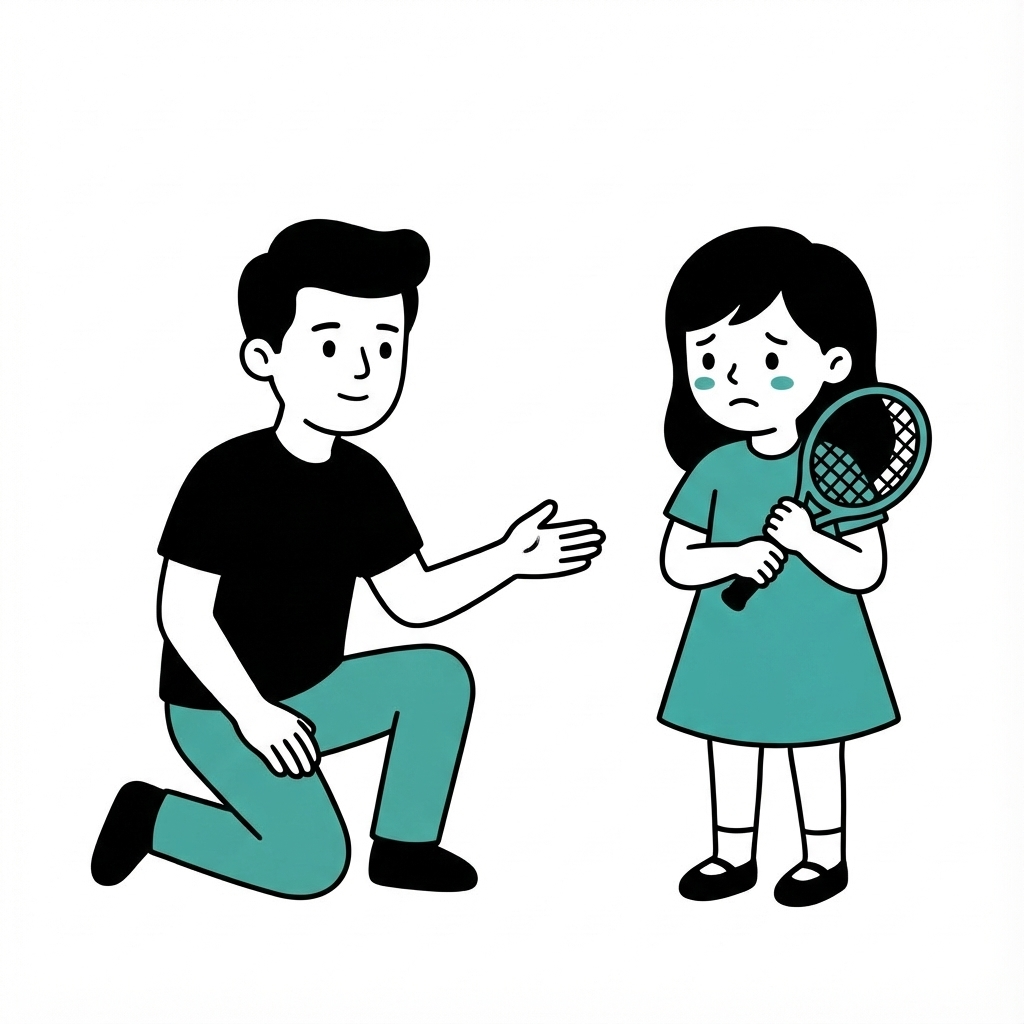
Children often feel nervous about trying new things because their developing minds are wired to be cautious in unpredictable situations. If this anxiety isn't addressed, they may learn to hide their fears, leading to avoidance of new opportunities and limiting their potential for growth and resilience.
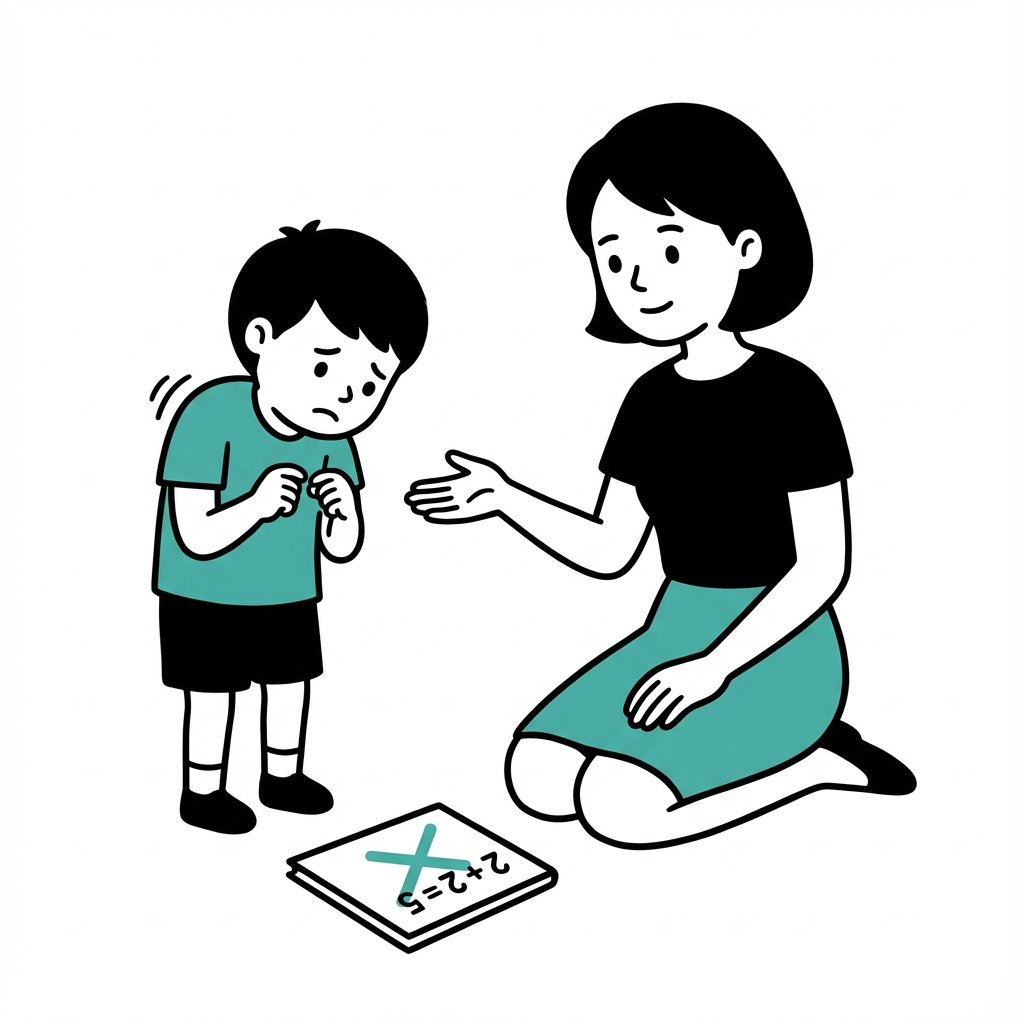
Children often label themselves as "stupid" when they feel overwhelmed by mistakes, struggling to separate their self-worth from their performance. If these feelings are dismissed, kids may develop negative self-talk and hide their struggles, ultimately missing opportunities for growth and resilience.
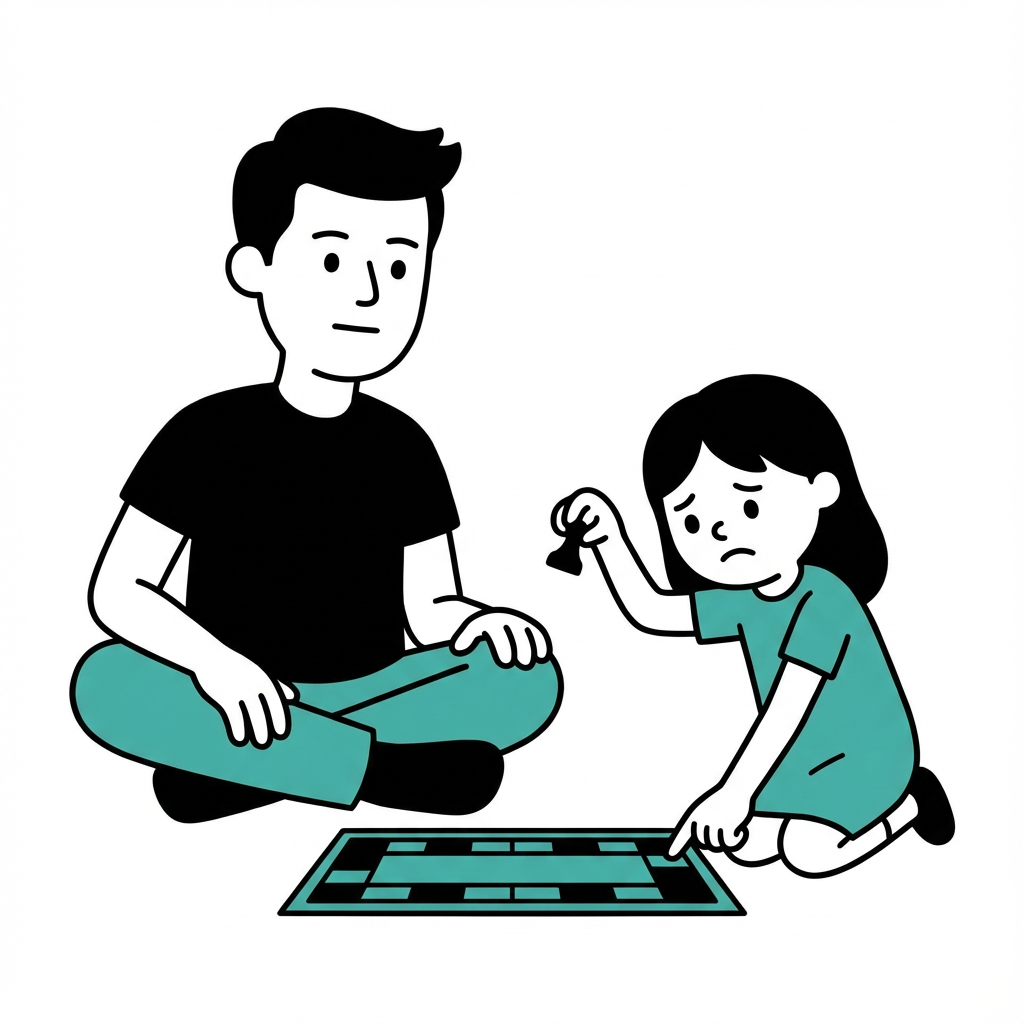
Children often feel frustrated when losing because they have not yet developed the emotional tools to process disappointment and may tie their self-worth to winning. If this behavior isn't addressed, it can lead to unhealthy competitive habits or emotional suppression, preventing them from learning resilience and how to handle challenges gracefully.
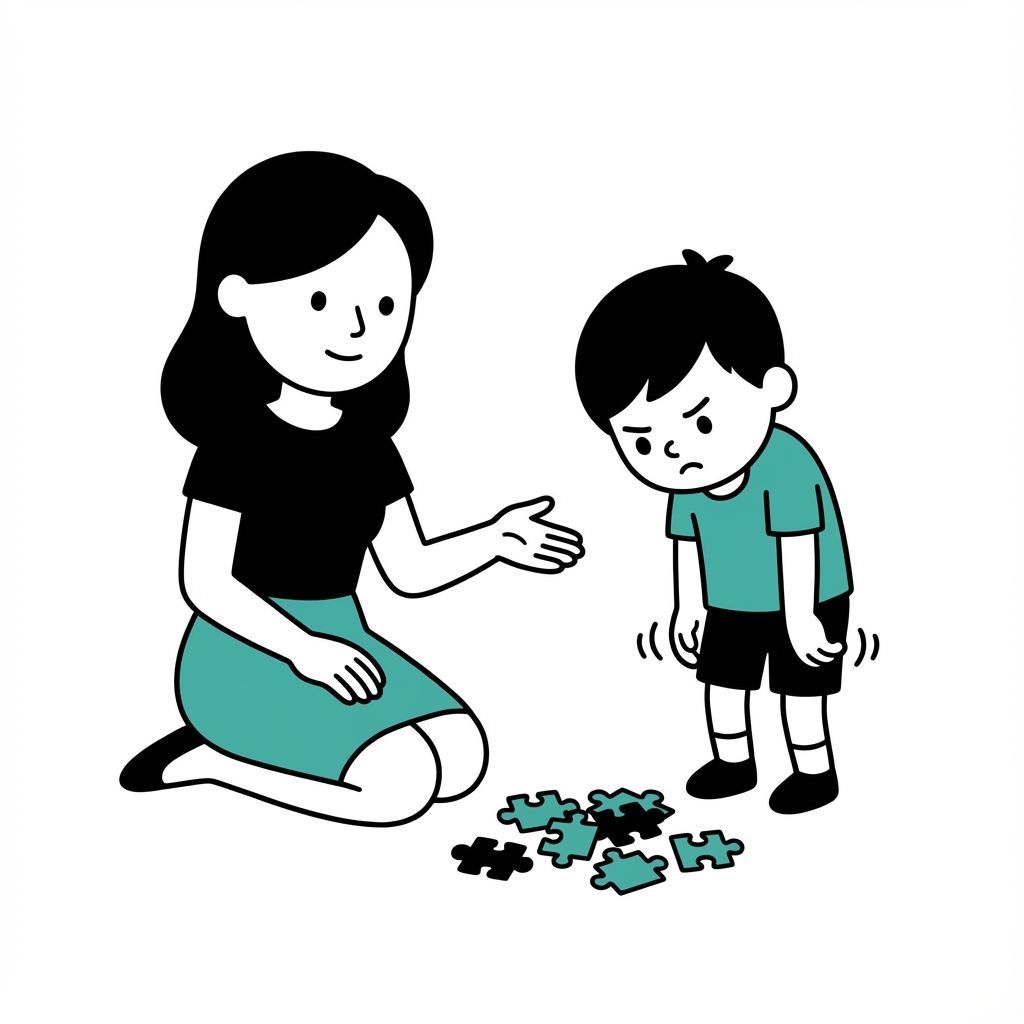
Children often say they "can’t do it" when they fear failure or feel overwhelmed, acting as a protective measure. If this behavior isn't addressed, they may learn to hide their struggles and associate challenges with failure, hindering their ability to embrace growth and resilience.
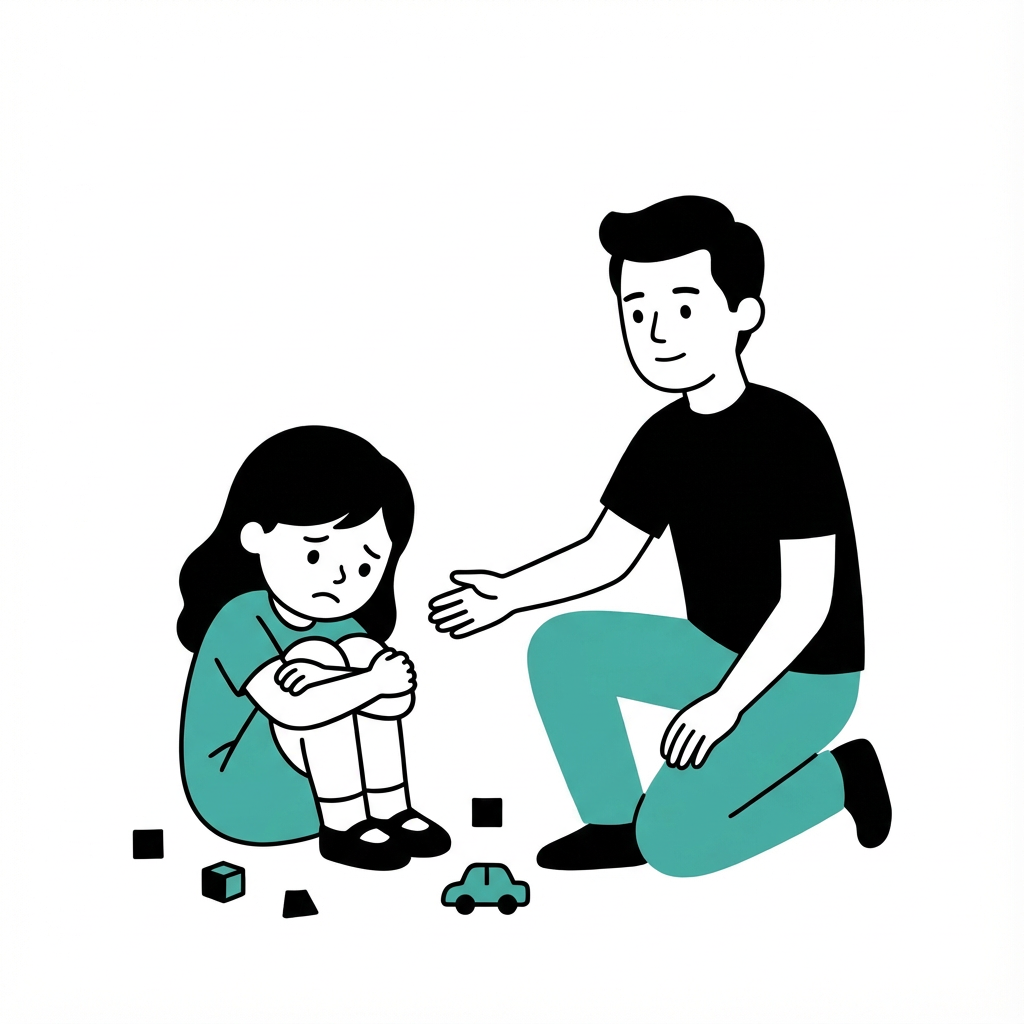
Children may feel deeply hurt when excluded by friends, as it taps into their fear of rejection and can feel like a personal failure. If these feelings aren’t addressed with empathy, they may learn to hide their emotions, leading to issues with self-worth and social anxiety later in life.
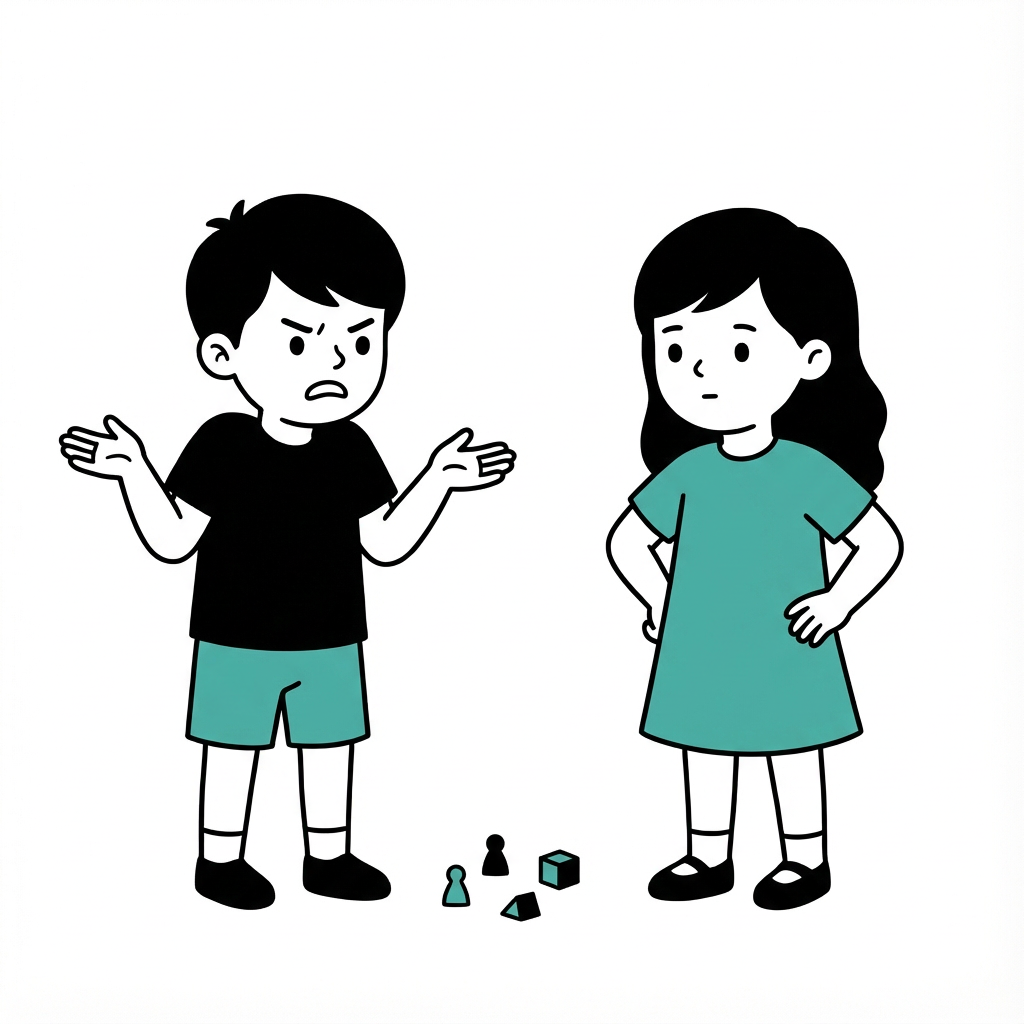
Children often express feelings of unfairness due to their developing sense of justice and emotional distress. If these feelings are dismissed, they may become reluctant to discuss their concerns, leading to unresolved conflicts and difficulties in learning how to handle disagreements constructively.